
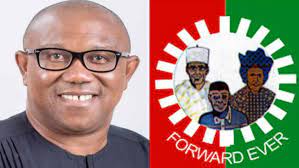
THE presidential candidate of the Labour Party (LP) in last year’s general elections, Mr. Peter Obi, has insisted that he was not dumping the party, following reports of his alleged displeasure with its leadership crisis and insinuations that he might defect ahead of the 2027 elections.
The speculation gained traction with suggestions that he might run again with former Kaduna State governor, Nasir el-Rufai, on another political party’s platform, causing the Nigeria Labour Congress (NLC), through its spokesman, Benson Upah, to say that Obi was free to leave the LP, as the congress would not stand in his way if he chooses to leave.
Upah said: “The right of choice is available to Obi. If he chooses to leave the party, that is his preference. We can’t sit in judgment over him on that. But if he chooses to remain, of course, Obi is an asset any day. I rest my case on that.”
However, Obi, while speaking with journalists in Gombe State shortly after donating a borehole to the ram market in Tike Pantami, the former Anambra State governor assured that he was not defecting to the Social Democratic Party (SDP) in pursuit of his ambition, insisting: “No, there is no such thing. I’m for peace; I like peace. I believe we are one people.
“Our concentration should be on peace, and I believe we will resolve all situations.”
On collaboration with el-Rufai, he said: “Well, I’m more interested now in Nigeria’s success today than tomorrow. We are always concentrating on the election rather than what Nigerians are going through.
“My commitment is about Nigerians living in a better society, given a better life and that’s my concern.”
While lamenting the recent increase in electricity tariff for Band A consumers by the federal government through the Nigerian Electricity Regulatory Commission (NERC), Obi charged stakeholders to be strategic.
“We should all think it through, see how we can provide remedy. How we can deal with it, especially as it concerns the poor areas?
“Everywhere in the world, those living in Band A areas pay more while those in rural areas are subsidised. That is how it works,”


