
*Rejects Reparations Demands, Says African Rulers Also Profited
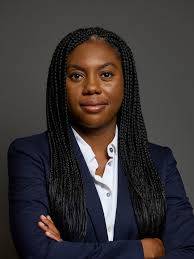
THE leader of the United Kingdom’s (UK) Conservative Party, Kemi Badenoch, has rejected calls for Britain to issue a formal apology for its involvement in the transatlantic slave trade, warning that such a move could open the door to demands for financial reparations.
Badenoch described slavery as a grave historical evil involving participants from different continents, arguing that Britain’s role should be examined alongside the involvement of African kingdoms, rulers and merchants, who captured, sold and profited from enslaved people.
Her position came as British Prime Minister, Andy Burnham, was considering issuing a formal apology for the country’s involvement ahead of the Commonwealth Heads of Government Meeting (CHOGM) in Antigua and Barbuda.Burnham, however, has ruled out direct financial compensation.
The Conservative leader argued that Britain should acknowledge its historical involvement without ignoring other parties that participated in the trade, highlighting Britain’s subsequent role in the abolition of the trade.
She questioned calls for an apology, asking whether Caribbean nations would also demand similar apologies from the descendants of African kingdoms and merchants who participated in capturing and selling enslaved Africans.
She described the proposed apology as a distraction from more pressing issues, warning that campaigners could use it as an opportunity to push for financial compensation from Britain.
Badenoch said the Commonwealth should focus on strengthening relationships, promoting economic cooperation and addressing future challenges, rather than repeatedly revisiting historical disputes.
She also questioned whether British prime ministers should continue attending future Commonwealth Summits if demands for reparations over the slave trade become a central issue at the meetings.
Badenoch also argued that present-day British taxpayers should not be expected to pay for historical events that occurred generations ago, expressing concern that the upcoming Summit could become another platform for countries and campaigners to demand money from Britain.
She also referenced comments made by former prime minister, Tony Blair, nearly two decades ago, expressing deep sorrow and regret over Britain’s involvement in the trade, thereby making another formal apology unnecessary.
Burnham has, however, adopted a different position, insisting that Britain must honestly confront both its participation in the trade and its later contribution to ending it.
He has indicated openness to issuing a formal apology, arguing that acknowledging the historical suffering caused by slavery is an important part of addressing its legacy.
Nevertheless, he has maintained that direct financial reparations should not be imposed on people living in Britain today for events that took place centuries ago.
Rather than offering direct cash compensation, Burnham has proposed working with wealthy countries and international investors to help poorer Commonwealth countries restructure their debts through longer repayment periods and lower interest rates.
He has also enlisted former prime minister, Gordon Brown to support the initiative.
Meanwhile, Caribbean nations have cautiously welcomed Burnham’s willingness to consider an apology, but insisted an apology alone would not adequately address the consequences of slavery.
Chancellor of the Exchequer, John Healey, has also expressed support for discussions about a possible apology, while opposing direct financial reparations.
Healey argued that it would be unfair to make present-day British citizens financially responsible for historical injustices in which they had no personal involvement., stressing that considering an apology should not be interpreted as an acceptance of demands for monetary compensation.


