
*Iran Warns Any Military Vessels Approaching Strait Will Be Dealt With Severely
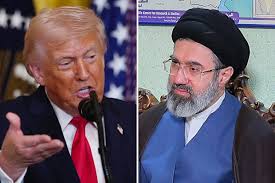
THE United States (US) President, Donald Trump, in a post on Truth Social, has vowed to blockade Iranian Ports from Monday, April 13, at 10:00 ET (14:00 GMT/15:00 BST).
US Central Command explained that the blockade will “not impede” ships sailing through the Strait of Hormuz to or from other countries.
This came as peace talks between the US and Iran ended without a deal last weekend over what Trump said the talks failed because Iran wouldn’t “give up its nuclear ambitions,” while Iran’s foreign minister blamed “shifting goalposts” from the US.
In response to the blockade, Iran’s parliament speaker vowed his country will not “surrender under threats” and the Iranian Revolutionary Guards Corps (IRGC) warned that any military vessels approaching the strait will be “dealt with severely.”
According to the BBC, while Trump’s posts didn’t have the apocalyptic bluster of last week’s threat to end Iranian civilisation, they pose a number of new challenges and risks for the American side.
The big questions remain whether mine-clearing activities places American naval vessels at greater risk of Iranian attacks; how the US woud determine who paid Iran a toll; will the US use force on foreign-flagged ships that ignore the blockade; how will nations that depend on Iranian oil, like China, respond; and will the move, intended to choke off Iran’s primary income stream, drive the price of oil?
The US Central Command later added that its forces would enforce the blockade “impartially” on vessels leaving and entering Iranian ports, including those in the Gulf and Gulf of Oman, without impeding the freedom of vessels transiting to and from non-Iranian ports.
Trump’s plan to blockade Iranian ports is a further escalation in the Iranian war and “reflects Trump’s anger” at not getting a peace deal, according to defence analyst, Justin Crump.
Speaking to BBC Breakfast, Crump said the proposals would stop Iran from selling oil to its customers, such as China, which puts pressure on Iran, even as he believed both the US and Iran feel they have an advantageous position over the other, and both sides are “trying to prove that it really has won to bring the other one down.”
Meanwhile, the United Kingdom (UK) said it will not take part in enforcing the US military blockade of Iranian ports.
British naval ships and soldiers will not be used to block Iranian ports, but UK minesweepers and anti-drone capabilities will continue to operate in the region.
A UK government spokesperson said: “We continue to support freedom of navigation and the opening of the Strait of Hormuz, which is urgently needed to support the global economy and the cost of living back home.”
A Wall Street Journal report said Trump was considering resuming air strikes on Iran. The White House told the BBC all options are on the table, but also said anyone telling the newspaper they know what Trump will do next is “purely speculating.”
The US leader said Iran still wants to pursue its nuclear ambitions, vowing the US will make sure “Iran will not have a nuclear weapon.”
The strait is a critical shipping route through which roughly 20 per cent of the world’s oil and natural liquefied gas is transported.
Its geography has allowed Iran to use it as leverage throughout this war, selectively preventing vessels from passing through the narrow waterway and spiking oil prices in the process.


