
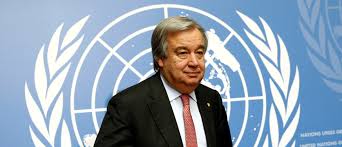
THE United Nations (UN) Secretary General, António Guterres, has again appealed to all parties involved in the Middle East crisis to de-escalate the situation, calling for an end to the retaliatory spiral in the region.
A statement following reports of alleged Israeli strikes inside Iran, near a nuclear power station, on Friday, April 19, said: “The Secretary General condemns any act of retaliation and appeals to the international community to work together to prevent further development that could lead to devastating consequences for the entire region and beyond.”
Echoing those concerns, UN Atomic Energy Agency Director General, Rafael Grossi, urged “extreme restraint” from all sides after more than six and a half months of war in Gaza that have fuelled fears of a wider regional conflict.
“IAEA can confirm that there is no damage to Iran’s nuclear sites” and Grossi “continues to call for extreme restraint from everybody and reiterates that nuclear facilities should never be a target in military conflicts,” the Agency said in a tweet.
This followed unconfirmed media reports that possible drone strikes had targeted the Iranian province of Isfahan, which is home to nuclear facilities and military garrisons.
In Geneva, Switzerland, the UN Human Rights office also urged all parties “to take steps to de-escalate the situation” rapidly.
“(We) call on third states, in particular those with influence, to do all in their power to ensure there is no further deterioration in an already extremely precarious situation,” according to its spokesperson, Jeremy Laurence.
In Gaza, aid teams offered new insight into the dangers faced by Palestinian civilians, particularly pregnant women and breastfeeding mothers, as a result of the “wanton destruction” of vital medical equipment and widespread “dehydration, malnutrition and fear” among Palestinians.
Speaking to journalists in Geneva, representative for the UN sexual and reproductive health agency for Palestine, Dominic Allen, said there were indications that the number of complicated births was nearly twice what it was before war erupted.
He said there was absolutely an increase in the numbers, adding that before the war, around 15 per cent of births required some form of emergency obstetric care.
“Today, some doctors have reported a doubling of what they previously had dealt with, and this is due to malnutrition, dehydration and fear, which impact the pregnant woman’s ability to give birth safely and carry their baby to full term safely,” the UNFPA official said.


