

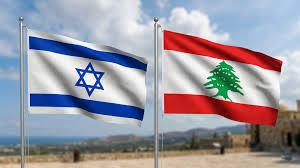
THE 10-day ceasefire between Israel and Lebanon began on Friday, April 17, with celebrations and fireworks in Beirut, the latter’s capital.
Over 2,000 people in Lebanon have been killed in the six-week conflict, with one in five people displaced, while Israel sais two of its civilians and 13 soldiers have been killed.
According to the BBC, In Lebanon, people in Lebanon are desperate for respite, while Israeli media reported some residents close to the border in northern Israel feel betrayed,
The ceasefire is very fragile, as Israel said its troops will remain in a 10km-deep (6.2 mile) “security zone” in southern Lebanon.
Trump called it a “historic day” for Lebanon, adding that the US and Iran were “very close” to making a separate deal to end the war.
Meanwhile, the United Kingdom (UK) and France will chair a meeting on freedom of navigation in the Strait of Hormuz later with around 40 countries expected to join.
Lebanon’s leader President, Joseph Aounhas, however, said direct negotiations with Israel were crucial for the country.
“A ceasefire is the gateway to proceeding with negotiations,” Aoun said, reiterating Lebanon’s goal is to “consolidate a ceasefire, secure the withdrawal of Israeli forces from the occupied southern territories, recover prisoners and address outstanding border disputes.”
The statement added: “The Lebanese people, who have endured much in the past years, are today facing a new reality that has the support of Arab and international backing, and this opportunity must not be squandered because it may not come again.”
Thus is even as Israel warned that thousands of displaced Lebanese civilians who are returning home could face evacuation again from southern Lebanon if fighting resumes.
According to AFP, Defence Minister, Israel Katz, said in a broadcast statement that the strikes in Lebanon “have achieved many gains” but the campaign against Hezbollah is “still not complete.
“If the fighting resumes, those residents who return to the security zone will have to be evacuated to allow completion of the mission.”
He added that the Israeli military will continue to hold all positions it has “cleared and captured,” according to Reuters.
Reacting to news of the truce on Thursday, April 16, Hezbollah said: “Any ceasefire must be comprehensive across all Lebanese territory and must not allow the Israeli enemy any freedom of movement.”
Senior Hezbollah leader, Wafiq Safa, told BBC the group will “never, ever” disarm, hours before the ceasefire began.
Israel’s Prime Minister, Benjamin Netanyahu, however, insisted said disarming Hezbollah was a fundamental demand in further talks with the Lebanese government.
Asked about disarmament, Safa said: “Not until a proper ceasefire, a real one. Not until Israeli withdrawal. Before the return of prisoners, before the return of displaced people and before the reconstruction. Until then, it is not possible to talk about Hezbollah’s weapons.”
The interview, at a residential building in Beirut, offers a rare glimpse into the coordination between Hezbollah and its main regional backer, Iran.
“Hezbollah and Iran are two souls in one body. There can be no Hezbollah without Iran, and no Iran without Hezbollah,” Safa said, describing the relationship as “religious, legal and ideological.”
Hezbollah, a Shia Muslim political and military group, opposes Israel’s right to exist and is considered a terrorist organisation by the US, UK, Israel and many other countries.
The group joined the latest conflict by firing rockets into Israel in early March, saying it was retaliating for the killing of Iran’s supreme leader and the near-daily Israeli strikes on Lebanon since their last war in November 2024.
Israel responded with intense air strikes and another ground invasion of southern Lebanon, saying its campaign would continue until Hezbollah was disarmed.
Asked whether Hezbollah was prioritising the interests of people in Lebanon or Iran, Safa said: “Of course, Hezbollah is looking at Lebanese interests.”
He argued Iranian support, including pressure for a ceasefire, had helped Lebanon in the current conflict. But many Lebanese, including people BBC has spoken to during recent reporting, said they want the group disarmed and blame it for dragging the country into conflict.
With Hezbollah refusing to disarm and insisting on broader conditions, and Israel maintaining its security demands, any ceasefire may prove only a pause in a much longer conflict.
Published:

Related articles

Recent articles
